10 Must-See U.S. National Parks: Seasons, Hikes & Permits
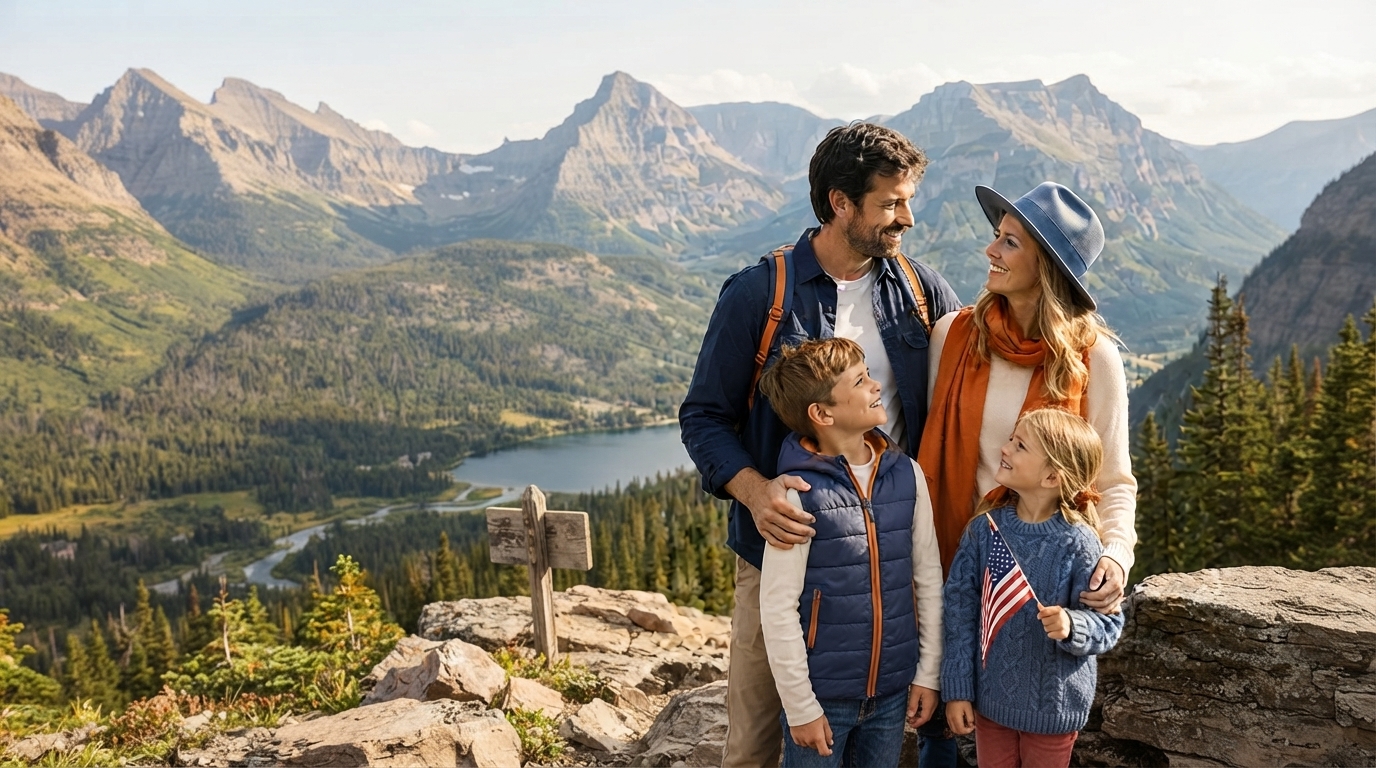
A smart national-park trip starts with quick, reliable basics: best seasons, signature hikes, permit quirks, and the on-the-ground mistakes that waste time. Use the fast facts below to match parks to your pace—whether the priority is big viewpoints, wildlife, waterfalls, desert arches, or alpine trails—then build a flexible plan that can handle crowds, weather, and limited parking.
What makes a “must-see” park worth the effort
- Iconic landscapes that look and feel unlike anywhere else—geothermal basins, granite walls, desert arches, coastal rainforest.
- A mix of easy stops and longer hikes so the trip works for different fitness levels and weather windows.
- Strong “day-one payoff”: viewpoints and short trails that deliver quickly after travel time.
- Logistics you can plan: timed entry, shuttle systems, permits, limited road access, and seasonal closures.
Fast facts: top parks at a glance
Use this as a quick sorter, then confirm current alerts, road closures, and permit rules before departure. For official trip-planning basics, start with National Park Service (NPS) — Plan Your Visit and check reservations on Recreation.gov.
| National Park | Best time window | Signature hike/stop | Crowd level (typical) | Common access note |
|---|---|---|---|---|
| Yellowstone | Late spring–early fall | Grand Prismatic overlook / geyser basins | High | Traffic + wildlife jams; lodging sells out early |
| Yosemite | Spring–fall (waterfalls peak in spring) | Mist Trail (seasonal) / Tunnel View | Very high | Timed entry/parking constraints in peak periods |
| Grand Canyon (South Rim) | Spring/fall | Rim Trail viewpoints / Bright Angel (partial) | High | Extreme heat below rim; plan water and turn-around times |
| Zion | Spring/fall | The Narrows / canyon overlooks | Very high | Shuttle system in busy seasons; flash-flood awareness for narrows |
| Glacier | Summer (short season) | Highline Trail (conditions vary) | High | Vehicle reservations/road access can be limited |
| Rocky Mountain | Summer–early fall | Bear Lake corridor trails | High | Timed entry often required; afternoon storms common |
| Olympic | Late spring–early fall | Hoh Rain Forest / coastal hikes | Medium | Long drives between ecosystems; plan regions, not “everything” |
| Acadia | Summer–fall (peak foliage in fall) | Jordan Pond paths / coastal viewpoints | High | Very limited parking; consider shuttles and early starts |
| Arches | Spring/fall (avoid midday summer heat) | Delicate Arch viewpoint/trail | High | Timed entry may apply; heat management is essential |
| Great Smoky Mountains | Spring–fall | Clingmans Dome area / waterfall hikes | Very high | Heavy weekend traffic; wildlife viewing needs distance |
How to pick the right parks for the trip style
- Big-viewpoint road trip: prioritize Grand Canyon, Yosemite, Zion, Glacier, and Rocky Mountain for high-impact overlooks and scenic drives.
- Waterfalls and rivers: Yosemite in spring, Olympic’s rain-forest zones, and Smokies waterfall routes; verify seasonal flow and trail conditions.
- Wildlife focus: Yellowstone and Glacier for big-animal potential—pack binoculars and follow posted distance rules.
- Desert geology and sunrise/sunset color: Arches and Zion; hike early and late to reduce heat exposure and crowd pressure.
- Short on time: choose one “hub” park with varied day hikes rather than trying to sample three parks in two days.
The biggest mistakes visitors make (and easy fixes)
- Arriving mid-morning in peak season: parking fills early and shuttle lines grow fast—start at sunrise or aim for late afternoon.
- Underestimating heat, elevation, and exposure: bring more water than expected, sun protection, and layers; set a conservative turn-around time.
- Skipping timed-entry, shuttle, or permit checks: confirm rules weeks ahead, then re-check 24–48 hours before arrival for updates.
- Trying to “do it all” in one day: pick one marquee hike plus two short scenic stops; leave buffer time for wildlife, traffic, or weather.
- Getting too close to wildlife or stepping off trail: keep distance, stay on established routes, and avoid fragile areas (thermal ground, cryptobiotic soil). For low-impact travel habits, review Leave No Trace — Seven Principles.
Sample 3-day itinerary frameworks (swap parks as needed)
High-impact highlights (3 days)
Day 1: Scenic viewpoints + visitor center orientation. Day 2: Signature hike at first light + a sunset spot. Day 3: Short morning trail + nearby scenic drive to exit efficiently.
Hiker-forward (3 days)
Day 1: Moderate acclimation hike (especially at elevation). Day 2: Longest hike—start pre-dawn for cool temps and parking. Day 3: Recovery loop + wildlife/photography windows when animals are more active.
Family-friendly (3 days)
What’s inside the digital travel guide eBook
If you want the fast facts in a single, mobile-friendly reference, check out Top 10 Must-See U.S. National Parks + Fast Facts (Digital Travel Guide eBook). It’s designed to speed up decisions and reduce planning friction when you’re juggling seasons, permits, and limited daylight.
Trail-ready add-ons (digital)
- Fuel Your Life: The Ultimate Healthy Eating Starter Bundle (Digital Download) for simple meal planning ideas that translate well to travel days and early trail starts.
- Daily Affirmations for Abundant Wealth (Audio Course) if you like a quick mindset reset for long drives, crowded shuttles, or pre-dawn starts.
FAQ
What are the biggest mistakes visitors make at National Parks?
Late starts that lead to full parking, ignoring timed-entry or shuttle rules, underpacking water/layers, overstuffing the schedule with no buffer, and unsafe wildlife behavior are the most common issues. Prevent them by starting early, re-checking access requirements, carrying more water than you think you’ll need, and keeping a generous distance from animals.
What is the least rated national park?
“Least rated” can mean fewest reviews rather than lowest quality, and it often points to remote or harder-to-reach parks with short seasons and higher travel costs. A better approach is to choose parks that match your logistics (time, budget, access) and your priorities (wildlife, views, hiking, or quiet).
What is the #1 most visited national park?
Great Smoky Mountains National Park is typically the most visited in the U.S., though annual rankings can shift. To reduce crowd stress there (and anywhere), aim for weekdays, sunrise starts, and less-busy trailheads outside the most famous overlooks.












Leave a comment