Solo Travel Safety Checklist: What to Do Before Leaving
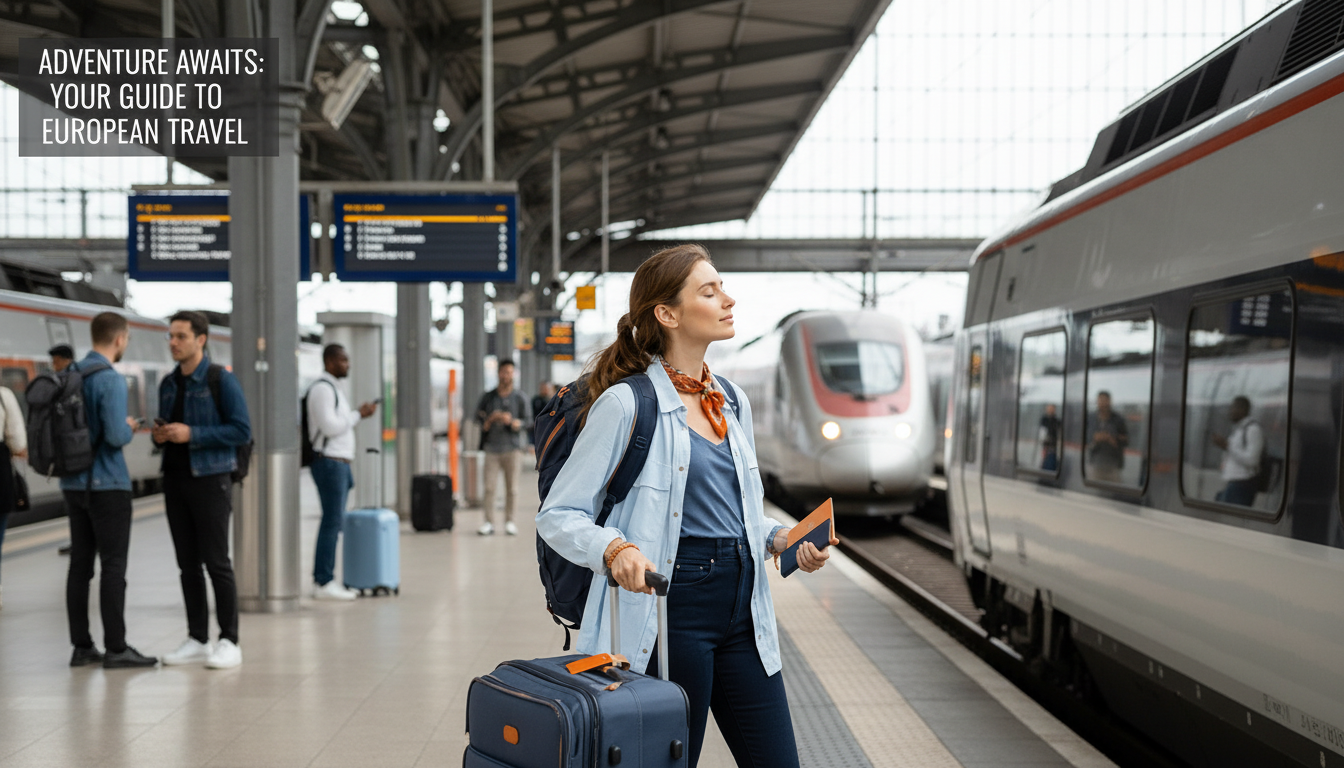
What should be on a solo travel safety checklist before you leave home?
A solid solo travel safety checklist helps prevent the most common problems: lost documents, dead phones, inaccessible money, and avoidable emergencies. Before you lock the door, cover these essentials so you can move confidently and handle surprises without scrambling.
1) Documents, copies, and access
Confirm your passport/ID is valid and matches your tickets and reservations. Pack two backups: a printed copy of your ID and itinerary, plus a digital copy stored offline on your phone (and in a secure cloud folder). Write down emergency contacts, your lodging address, and any important numbers in case your phone is lost.
2) Money and payment redundancy
Bring at least two payment methods (two cards or a card plus mobile wallet), and keep them in separate places. Notify your bank of travel plans, note card cancellation numbers, and carry a small amount of cash for transit, tips, or card-reader outages. If you’ll cross borders, verify local currency access and ATM compatibility.
3) Phone security and power
Enable a passcode, Face/Touch ID, and “Find My” tracking, and turn on automatic cloud backup. Pack a wall charger, a power bank, and the right plug adapter. Save key maps and confirmations for offline use, and set up an emergency “ICE” contact on your lock screen.
4) Health, meds, and personal safety items
Pack medications in original containers with enough for delays, plus basic first-aid items you actually use (bandages, pain reliever, blister care). If you use prescriptions, carry a copy. Consider a doorstop alarm, small flashlight, and a whistle—compact tools that add layers of protection in unfamiliar places.
5) Itinerary sharing and check-in plan
Share your flight details, lodging addresses, and a simple check-in schedule with a trusted person. Agree on what to do if you miss a check-in (who to call and when). For added peace of mind, keep a note of local emergency numbers and your nearest embassy/consulate if traveling abroad.
For a deeper, step-by-step list you can follow as you pack, visit the complete solo travel safety checklist.
FAQ
What are the best ways to share your location safely while traveling alone?
Use built-in location sharing with one trusted contact, limit the time window, and avoid posting real-time locations publicly. Keep your sharing list small and turn it off when you’re back home.










Leave a comment